
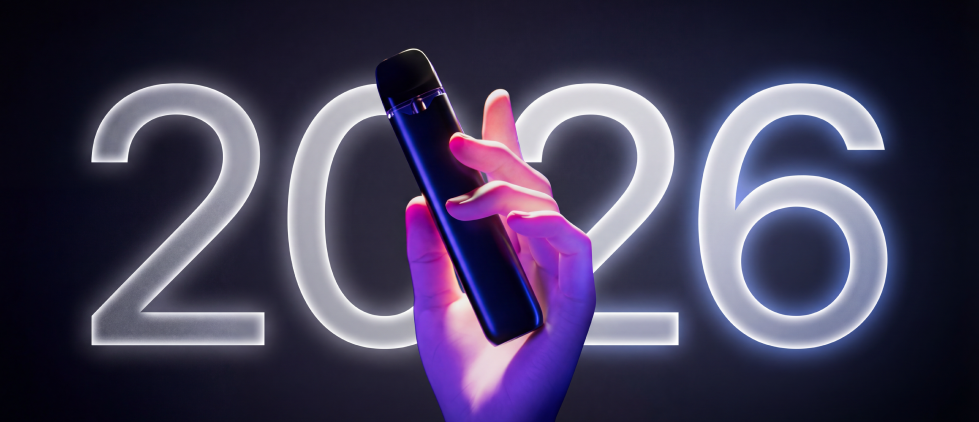
People like to vape. Both in the US and on a global scale, the number of vapers has been constantly increasing. As you’ll see below, more than 100 million people vape on a global scale.
For comparison’s sake, around 100 million people in the world play golf, excluding the US and Mexico (source: https://www.gcma.org.uk/news/participation-figures-show-golf-boom-still-happening/).
The global vaping statistics show that the vaping industry is a niche with significant growth potential in the time ahead.
This guide by Vape Juice illustrates why vaping has become so popular, how it compares to traditional smoking, and highlights what vaping habits are good vs. the ones that should be avoided.
Vaping Statistics 2026

-
There are more than 100 million vapers worldwide, according to a recent report from the World Health Organisation.
-
Around 86 million adults and 15 million teenagers make up this global vaping cohort.
-
In the US, the percentage of adults using electronic cigarettes oscillated, from 4.5% in 2019 to 3.7% in 2022, then surged to 6.5% in 2023.
-
The number of young people who vape has decreased, from over 5 million youth vapers in 2019 to less than 2 million youth vapers in 2024.
-
43% of e-cigarettes sold in the US in 2023 were disposable vapes, and 31% were pod-based devices; globally, disposable vaping devices account for around 46%.
-
62% of vapers worldwide use nicotine salt formulations.
-
7.6% of adult men and 5.5% of adult women reportedly smoke e-cigarettes in the US (source: https://www.cdc.gov/nchs/products/databriefs/db524.htm#fig2).
-
With 56% of reported vapers in 2024, Millennials are the most populous vaping group in the US (source: https://whfoods.org/facts/vaping-statistics/).
-
The highest relative vaping prevalence in the US is among the young adults aged 18-25 - 14.1% - amounting to 4.7 million people. Teenagers between ages 12 and 17 come second, with 5.2%, followed by adults aged 26 and older, with 3.2% of vapers among this population (source: https://ctri.wisc.edu/providers/e-cigs-and-vaping/vaping-percentages/).
-
Young adults aged 18-29 prefer e-cigarettes to their non-electronic counterparts; 18% are vapers, compared to 6% of traditional cigarette smokers (source: https://www.cdc.gov/nchs/data/databriefs/db524.pdf).
-
Indonesia is the leader of the global vaping pack, in relative terms, with 32% of the population having used e-cigarettes (source: https://www.statista.com/forecasts/1452540/share-of-e-cigarette-smokers-in-selected-countries-worldwide/).
-
The largest population of vapers lives in the US, with around 20 million people vaping on a regular basis (source: https://news.gallup.com/poll/267413/percentage-americans-vape.aspx)
Teen Vaping Statistic

Vaping has especially become part of teenagers’ social rituals. The widespread availability of electronic cigarettes across the US, both online and offline, has added to this growth. But knowing that nicotine vapes are allowed only for people aged 21 and older sheds a different light on the entire teenage vaping story and teen vaping statistics.
Middle School vs. High School Vaping Rates
As reported by the CDC and the FDA, around 7.8% high schoolers (1.2 million) and 3.5% middle schoolers (410,000) regularly vape. This means a decline from 7.7% of young vapers in the USA in 2023 to 5.9% in 2024. That said, daily vaping among rural youth rose from 16.4% in 2020 to 41.8% in 2024, a trend researchers are tracking closely.
Percentage of Teens Using Disposable Vapes
Disposables are the device of choice among young vapers. According to the report above, 55.6% of youth e-cigarette users reported using disposable devices, compared to 15.6% using prefilled or refillable pods and 7.0% using tanks or mod systems.
Disposables have become the most widely used device type across all age groups in recent years.
Flavored Vape Usage Among Teens
Flavored products are by far the most common choice among young e-cigarette users in the US. Per the survey above, 87.6% of youth vapers have used a flavored product recently. Fruit was the most reported flavor at 62.8%, followed by candy and desserts at 33.3%, and mint at 25.1%. Over half (54.6%) reported using a product with "ice" or "iced" in the name.
Daily vs. Occasional Teen Vaping
Of the 1.63 million US youth who currently vape, 26.3% do so daily, and 38.4% report using e-cigarettes on 20 or more days per month, per the survey above. A separate study published in JAMA Network Open (2025) found that daily vaping among current youth users nearly doubled from 15.4% in 2020 to 28.8% in 2024.
Reasons Teens Report Vaping
The most common reason teens give for first trying an e-cigarette is that a friend used one, followed by curiosity, per the CDC. A 2026 study published in MDPI's Medicina found that among current users, the top reported reasons were anxiety, peer pressure, and relaxation, with anxiety ranking as the leading reason for female students across all surveyed years. Flavor availability also consistently ranks in the top ten reasons teens report trying e-cigarettes.
Teen Vaping Trends by Year (2019–2026)
Youth vaping in the US hit its recorded peak in 2019, when over 5 million middle and high school students reported current use; roughly 27.5% of high schoolers at the time (CDC/FDA NYTS). Numbers began falling in 2020, driven by a combination of regulatory action and broader public health awareness, and continued declining year over year.
By 2022, current users were down to 2.55 million. That dropped to 2.13 million in 2023 and 1.63 million in 2024 - the lowest level in a decade, and about one-third of the 2019 peak, per the NYTS.
Nicotine Dependence Statistics Among Teens
Nicotine dependence among youth vapers continues to be a major public health concern. According to the 2025 JAMA Network Open study, nearly 28.8% of current teen vapers reported daily use, up from 15.4% in 2020; a clear signal of growing dependence.
The CDC’s National Youth Tobacco Survey (2024) found that over 30% of youth who vape experience cravings or withdrawal symptoms, indicating early signs of addiction. Dependence is particularly pronounced among users of nicotine salt formulations, which deliver higher doses more efficiently; over 60% of teen vapers report using nicotine salts.
At the same time, alternatives are emerging. Industry reports highlight the rise of nicotine‑free vape juice products, which replicate the flavors and rituals of vaping without the addictive compound. While experts caution that nicotine‑free vaping is not risk‑free, these products are increasingly promoted as harm‑reduction tools for young users seeking to avoid dependence.
Adult Vaping Statistics

Adult vaping statistics 2025 show that millions of people worldwide have embraced vaping. Some of them use electronic cigarettes as replacements for real, tobacco cigarettes. Others just add vape juice alternatives to their regular cigarette-smoking sessions.
Adult Vaping Prevalence Worldwide
Global adult vaping figures have continued to climb, reaching an estimated 82 million users in 2025. This growth reflects a steady transition from traditional tobacco to electronic alternatives, with adult men making up roughly 65% of the total vaping population.
Regional trends show that North America and Europe remain the largest markets, though the Asia-Pacific region is currently the fastest-growing hub. In Great Britain alone, approximately 5.5 million adults, or 10% of the population, now use e-cigarettes, with over half of them being former smokers who have switched entirely to e-smoking.
While many adults use these devices as primary nicotine sources, a significant portion in emerging markets still engage in "dual use," alternating between vapes and combustible cigarettes as global regulations and harm-reduction policies continue to evolve.
Age Group Breakdown (18–24, 25–34, 35–44, etc.)
Young adults between the ages of 18 and 24 represent the most active vaping demographic in the United States and many European markets. Data indicates that approximately 14.1% of this age group are current e-cigarette users, a figure that significantly outpaces their use of traditional cigarettes. This group often views vaping as a social activity or a less harmful alternative to smoking, with a strong preference for flavored disposable devices.
The 25–34 and 35–44 age brackets show a steady but slightly lower prevalence of vaping. Among those aged 25 to 34, usage rates hover around 6.5%, often consisting of individuals who transitioned from smoking during their college years or early professional lives. In the 35-44 demographic, the motivations for vaping frequently shift toward smoking cessation, with many users opting for refillable pod systems that allow for more control over nicotine concentrations.
Vaping rates drop sharply among older populations. Adults aged 45 to 64 have a usage rate of roughly 2.3%, while those aged 65 and older represent the smallest cohort at approximately 1.2%. While some older adults use e-cigarettes to quit long-term smoking habits, the vast majority of this group remains loyal to traditional tobacco or has quit nicotine products entirely, reflecting a clear generational divide in nicotine delivery preferences.
Smoking vs. Vaping Crossover Statistics
Cigarette smoking in the United States reached a historic low in early 2026, dropping to approximately 9.9% of the adult population. Meanwhile, adult vaping rates have climbed to 7.2%, highlighting a clear movement toward electronic nicotine delivery systems. Reportedly, about one-third of current vapers are former smokers who report using e-cigarettes as a tool to stay away from combustible tobacco.
Dual Use: Cigarettes + Vapes
However, dual use remains a significant pattern within the American market. While older adults often use both during a transition phase, younger adults are more likely to experiment with both products simultaneously, creating a complex overlap in the domestic nicotine landscape.
Quitting Smoking with Vaping Statistics
Recent figures show that more Americans are using vapes to move away from traditional cigarettes. Research from late 2025 suggests that nicotine vapes are about 50% more effective at helping people stop smoking than older methods like patches or nicotine gum. This means that for every 100 people trying to quit, those using vapes have a much higher success rate than those using traditional replacements.
In the US, about one-third of adult vapers are now former smokers who have switched completely to electronic devices. While health experts still monitor long-term effects, these products have played a major role in pushing US smoking rates to record lows. Interestingly, the drive to be nicotine-free remains strong; over 60% of young adult users say they want to quit all nicotine products entirely in 2026.
Daily vs. Occasional Adult Vapers
While millions of American adults use e-cigarettes, the frequency of use varies significantly. As of early 2026, roughly 7.2% of all U.S. adults are current vapers, but they don’t all use their devices every day. Among adult users, approximately 45% report vaping daily, while the rest are occasional users who might only vape on "some days" or in specific social settings.
Young adults between 18 and 34 are significantly more likely to vape, with a 15% usage rate, compared to just 2% of adults aged 55 and older.
The transition to daily use is most noticeable among young adults. Recent data shows that for vapers aged 18 to 26, nearly 40% are now daily users, a significant increase from previous years. This suggests that while many adults start as occasional users, often while trying to cut back on traditional cigarettes, a large portion eventually shifts into a more regular, daily routine.
Global Vaping Statistics

The US isn’t the only market in the world where vaping figures have been growing in the last few years. The global vaping statistics indicate that we’re only at the dawn of a brave new vaping world.
Europe Vaping Statistics
Vaping trends across Europe show a clear divide between regions, driven largely by different local rules and public health approaches. In Western Europe, countries like Great Britain and France have seen high adoption rates as vapes are often encouraged as tools to move away from smoking. In contrast, parts of Eastern Europe report higher rates of traditional cigarette use, though vaping is steadily growing among younger adults.
Northern Europe presents a mixed picture; while some countries have strict flavor bans that limit growth, others have seen a rise in the use of various nicotine alternatives. Southern European nations generally fall in the middle, with a consistent increase in occasional use. Overall, the World Health Organization notes that the European Region now has the highest vaping prevalence globally, with adult usage rates more than double the world average
US Vaping Statistics
For reinforcement, here’s an overview of what we’ve discussed above regarding the US and vaping statistics.
So, vaping in the US has reached a pivotal point in 2026, with adult usage rising to 7.2% while traditional smoking hits record lows. Young adults aged 18–24 remain the largest group, with 14.1% currently vaping. While teen vaping has dropped significantly since 2019, daily use among regular users is increasing. Today, roughly 20 million Americans vape, reflecting a major shift in how the nation consumes nicotine.
UK Vaping Statistics
In a major shift for public health, vapers now outnumber traditional smokers in Great Britain. Recent reports show approximately 5.5 million adults (about 10% of the population) now use e-cigarettes, compared to 4.9 million who smoke. This milestone follows years of government-backed harm reduction efforts, with over half of all UK vapers being former smokers who have successfully switched.
Canada Vaping Statistics
Vaping trends in Canada closely mirror those in the US, with a steady rise in adult use as smoking rates decline. In 2024, approximately 13% of Canadians reported using some form of tobacco, but cigarette smoking specifically dropped to 11%. Meanwhile, the number of vapers has grown to nearly 2 million people, representing about 6% of the adult population.
Young adults are the most active group, with about 22% of those aged 18 to 24 reporting they have vaped recently. Many adults in Canada are also using vapes to move away from cigarettes; reports from early 2026 show that roughly 21% of people who successfully stopped smoking used e-cigarettes to help them make the transition.
Fastest-growing Vaping Markets
While the US and UK still have the highest total number of vapers, newer markets in Asia and the Middle East are expected to see the biggest increases through 2026. Global sales are projected to climb significantly as developing economies gain better access to products and more adults look for alternatives to combustible cigarettes.
The Asia-Pacific region is currently seeing the most rapid growth in the world. This area has quickly become a major center for new users, with urban hubs driving a steady increase in local demand.
In the Middle East, markets in the UAE and Saudi Arabia are also expanding quickly as more people choose vapes over traditional tobacco. The UAE currently leads the regional market share, while Saudi Arabia is seeing an annual growth rate of over 18%. Clearer local rules and a preference for long-lasting devices are helping these markets grow faster than many Western nations.
Vaping Statistics by Device Type
Disposable Vape Statistics
Disposables have completely transformed the U.S. landscape. By early 2026, they claimed nearly 60% of all e-cigarette sales, largely due to the convenience of high-puff models. Modern devices now offer between 5,000 and 15,000 puffs, a massive leap from the 300-puff sticks of a few years ago.
Pod System Statistics
While disposables are the fastest-growing, cartridge-based pod systems still hold a solid 28% to 34% market share. These devices are the go-to for adults seeking reliability over variety. They dominate the space in traditional retail outlets like gas stations and convenience stores, where they maintain a high user retention rate of roughly 70%.
Refillable Vape Statistics
Open-system vapes, where users manually add liquid, cover 10% to 20% of the market. These users prioritize long-term savings and customization. Interestingly, this segment is seeing a specialized tech boost, with new 2026 models featuring AI-powered chips for usage tracking and leak-proof mesh coils to improve reliability for hobbyists.
Nicotine Salt vs. Freebase Usage
The industry has seen a massive move toward nicotine salts, which now appear in over 44% of all new product launches. These are preferred because they allow for higher nicotine strengths without a harsh throat hit. Freebase nicotine remains the standard for those using open systems to create larger vapor clouds, but it is increasingly becoming a niche product compared to the fast-acting salt formulations found in modern pods.
Most Popular Vape Brands
The competitive leaderboards are currently topped by a few powerhouses. Vuse leads with a 32% value share, followed closely by JUUL. However, in the disposable field, brands like Geek Bar and Lost Mary are the names to watch. Whether you are looking for these market-leading devices or premium liquids to fill your own tank, Vapejuice provides easy access to the top-tier brands shaping the 2026 market.
Health Statistics About Vaping
Lung Health Statistics
Research in early 2026 highlights a complex picture of lung health in the US. While laboratory studies show that e-cigarette vapor causes less immediate cell damage than traditional smoke, clinical data reveals significant risks. Exclusive vaping is linked to a higher chance of developing chronic obstructive pulmonary disease (COPD) compared to non-users.
Additionally, those who both smoke and vape face a much higher risk of lung injury than those who only use one product. Recent findings suggest that this dual use can increase the risk of early-onset lung cancer by nearly three times compared to smoking alone.
This risk is particularly alarming because many people use vapes to reduce their cigarette intake but end up using both products simultaneously.
Nicotine Addiction Statistics
While cigarette smoking in the US has dropped to a historic low of 9.9% in 2026, nicotine addiction remains a significant challenge for millions. Approximately 68% of current adult smokers report a sincere desire to quit, and over half make a serious attempt to do so each year. However, the success rate for these attempts remains under 10%.
This gap highlights the powerful nature of nicotine dependence, as many smokers require multiple attempts and various support systems to successfully transition away from combustible tobacco.
For many of these individuals, vaping has turned out to be a less invasive alternative that allows them to move away from the high risks associated with smoking combustible tobacco.
Vaping vs. Smoking Risk Statistics
Public health data from 2025 and 2026 continues to show a clear gap in the relative risks between vaping and smoking. While traditional cigarettes remain the leading cause of preventable death in the US, contributing to nearly one in five deaths annually, exclusive vaping is consistently found to expose users to significantly lower levels of harmful toxicants.
For all age groups, health experts emphasize that switching completely from combustible tobacco to e-cigarettes can reduce exposure to tobacco-specific carcinogens by over 90 percent. This reduction in chemical intake is a major factor for smokers looking for less invasive ways to manage nicotine use.
However, statistics also highlight that dual use, which means using both products at once, is common and carries higher risks than using either alone. While the total number of vapers across all ages has grown, the health benefits are most obvious for those who use vapes as a complete replacement for smoking rather than an addition to it.
Youth Brain Development Research Stats
That being said, it’s important to highlight that vaping is a controversial topic when it comes to youth users.
Research in 2026 emphasizes that the adolescent brain remains in a state of active development until the mid-twenties, making it uniquely sensitive to nicotine. This substance can disrupt the formation of synapses in the prefrontal cortex, which governs attention, impulse control, and decision-making.
Recent longitudinal data shows that teenagers who vape regularly may experience measurable cognitive shifts. One 2026 study found that adolescents using e-cigarettes scored lower in oral reading recognition and executive function tests compared to non-vaping peers. Furthermore, early nicotine exposure is linked to increased susceptibility to future addiction and mood disorders like anxiety.
Secondhand Vapor Statistics
Research in 2025 and 2026 indicates that secondhand vapor contains significantly lower levels of harmful chemicals compared to traditional cigarette smoke. Recent peer-reviewed data shows that youth exposed to secondhand aerosol have nicotine levels six to seven times lower than those exposed to secondhand smoke.
Additionally, carcinogen exposure in non-vapers nearby is roughly four times lower. While the US Surgeon General warns that vapor still contains nicotine and heavy metals, the overall chemical footprint is a fraction of that produced by combustible tobacco.
Vaping vs. Smoking Statistics

Smoking Decline vs. Vaping Growth
As highlighted above, US cigarette smoking has hit a historic low of 9.9%, while e-cigarette use has climbed to approximately 7% — nearly doubling since 2020.
This trend reflects a broader move away from combustible products as more adults explore vapor-based alternatives. Public health experts note that this decline is particularly sharp in urban areas, though rural communities are also beginning to see a similar transition toward non-combustible nicotine delivery systems.
Relapse Rates
Preventing a return to smoking is a major focus of recent research. A 2026 study led by Professor Peter Hajek at Queen Mary University of London found that individuals who continue to vape after stopping smoking are 25% less likely to relapse back to combustible tobacco compared to those who do not use e-cigarettes.
While health experts emphasize that the ultimate goal is total nicotine cessation, maintaining a vapor-based routine for as long as needed appears to provide a protective effect against the significantly higher risks of cigarette smoking.
Cost Comparison Statistics
Economic data from early 2026 indicates that vaping remains a more cost-effective option for many US consumers. While the average price of a cigarette pack has risen due to taxes and production costs, the price per milligram of nicotine in e-liquids has actually decreased as device capacities have grown. On average, daily vapers can save between 30 and 50 percent annually compared to daily smokers, depending on the type of device and local tobacco tax rates in their state.
Nicotine Intake Comparisons
The efficiency of nicotine delivery varies significantly between products. While traditional cigarettes typically deliver about 1 milligram of nicotine per stick, modern vaping devices, particularly those using nicotine salts, can deliver comparable levels much faster. Recent findings show that while the average maximum nicotine concentration in the blood is often lower with e-cigarettes than with smoking, advanced devices allow users to customize their intake, which may help long-term smokers find a level of satisfaction that aids in a complete transition.
Vaping trends 2024–2026
Regulations Impact Statistics
FDA enforcement has created a more consolidated market environment in 2025 and 2026. While thousands of unauthorized products were removed following import alerts and warning letters, the agency also cleared major established brands to resume or continue sales.
For instance, the authorization of specific market leaders in mid-2025 provided a significant boost to the legal retail sector, though analysts note that strict compliance hurdles have forced many smaller, independent manufacturers to exit the industry entirely.
Flavor Ban Impact Data
State and local flavor bans across the US have produced mixed results. Data from recent studies suggests that while comprehensive bans effectively reduce vaping among pre-ban users, they can also lead to unintended consequences.
Among those who exclusively vaped, approximately 12.5% switched to combustible tobacco following real-world flavor restrictions, according to a national survey published in Nicotine & Tobacco Research. However, overall tobacco use prevalence typically declines in these areas, as most people who quit vaping do not substitute it with another tobacco product.
Social Media Influence Statistics
Digital exposure remains a key driver of vaping among adolescents. Research indicates a dose-response relationship between social media use and e-cigarette use frequency. Youth spending four or more hours daily on social platforms have nearly twice the odds of daily vaping compared to lighter users, according to a 2024 study published in Drug and Alcohol Dependence Reports.
Future Projections
The US vaping market is projected to reach an estimated value of nearly $70 billion by 2030. This anticipated growth is supported by a compound annual growth rate of over 30 percent starting in 2025. Future developments are expected to focus on modular and rechargeable devices, as tech-savvy consumers seek more sustainable, high-tech options that offer app integration and enhanced safety controls.
Demographic Vaping Statistics
Vaping by Gender
By 2026, the gender gap in adult vaping has largely closed, with roughly 8 percent of men and 6 percent of women reporting regular use.
However, a notable shift has occurred among adolescents; recent surveys show that female students now represent over half of youth vapers. This reversal of historical tobacco patterns suggests that marketing and social trends are influencing genders in increasingly different ways.
Vaping by Income Level
Vaping prevalence remains highest among lower-income households in the US. The CDC confirms that e-cigarette use is consistently higher among adults with lower incomes or less education, and among those without health insurance. While the upfront cost of devices can be a barrier, the lower long-term cost relative to cigarettes often makes vaping a primary choice for budget-conscious nicotine users.
Vaping by Education level
There is a clear inverse relationship between education levels and vaping rates. Adults without a college degree consistently vape at higher rates than those with one, and the gap widens further among postgraduates; a pattern that holds across multiple national surveys and mirrors broader public health trends seen with tobacco use generally. The higher the credential, the lower the prevalence, reflecting differences in health literacy, risk perception, and social norms around nicotine use.
Urban vs. Rural Vaping Rates
Geographic location plays a significant role in how nicotine is consumed. As of 2026, the percentage of adults who vape increases as urbanization decreases, with rural (nonmetropolitan) areas reaching a usage rate of 9.2 percent compared to 6.1 percent in large central cities. Experts have noted a particularly sharp rise in daily vaping frequency among rural youth, which now outpaces rates in urban and suburban centers.
Student Vaping Statistics
Teen vaping has stabilized in 2026, with roughly 1.63 million middle and high school students reporting current use. High school students continue to vape at higher rates than middle schoolers, though the decline in use has been more pronounced in older grades. Interestingly, over one-quarter of students who currently vape report daily use, indicating that while fewer students are starting, those who do are using more frequently.
Conclusion
Vaping has moved from the fringes to the mainstream. With over 100 million users worldwide and 20 million in the US alone, e-cigarettes are now a defining feature of the global nicotine landscape — and the numbers keep climbing.
The direction is clear: adult vaping is rising as smoking hits historic lows of 9.9%, while youth vaping continues its decline from its 2019 peak. The market is consolidating around disposables, nicotine salts, and an increasingly regulated retail environment.
The most telling 2026 stat may be this: 7% of US adults now vape, nearly double the 2020 figure — a shift that shows no signs of slowing.
FAQ
How many people vape in 2026?
Approximately 7 percent of American adults, or roughly 18 million people, are current e-cigarette users in 2026. This represents a steady increase as traditional smoking rates continue to decline.
What percentage of teens vape?
About 6 percent of middle and high school students in the US reported current vaping use in early 2026. While stabilizing, this still involves over 1.6 million young individuals nationwide.
Is vaping increasing or decreasing?
Adult vaping is currently increasing as smokers transition to non-combustible alternatives, while youth vaping has shown signs of stabilizing. Overall market value and user numbers continue to grow annually.
What age group vapes the most?
Young adults aged 18 to 24 have the highest prevalence of vaping compared to any other age group. This demographic is also the most likely to attempt quitting each year.
Is vaping safer than smoking statistically?
Statistics consistently show that exclusive vaping exposes users to over 90 percent fewer carcinogens than combustible tobacco. However, dual use of both products carries significantly higher health risks.
How many students vape?
Recent data indicates that approximately 1.63 million students across middle and high schools are current vapers. High school students make up the vast majority, accounting for roughly 1.21 million.
What country has the highest vaping rate?
The United States currently maintains the highest vaping rate and the largest retail market globally. Other high-use regions include the United Kingdom and certain countries within the European Union.
What percentage of vapers use nicotine?
Nearly 99 percent of e-cigarettes sold in US retail outlets contain nicotine. While non-nicotine options exist, they represent a very small fraction of the total products used by vapers.
How many smokers switch to vaping?
Millions of Americans have transitioned, with vapers now representing roughly 7 percent of the adult population. Surveys show that smokers find e-cigarettes more effective for switching than traditional nicotine patches.
Are disposable vapes increasing?
Yes, disposable vapes currently dominate the market, accounting for over 50 percent of all e-cigarette sales. Their popularity is driven by convenience, high nicotine salt concentrations, and advanced device features.
How can I ensure my vaping device is authentic?
Always purchase from reputable retailers and check for the manufacturer’s scratch-and-sniff or QR code authentication on the packaging. Genuine products undergo rigorous testing and meet specific quality standards that unauthorized or counterfeit versions do not follow.
What is the lifespan of a modern vape battery?
Most high-quality lithium-ion vape batteries are designed to last for roughly 300 to 500 full charge cycles. To maximize longevity, avoid letting the battery drain completely and store your device in a cool, dry place.
Are there safety standards for e-liquids?
Legitimate e-liquids are produced in ISO-certified laboratories and must follow strict labeling and ingredient transparency laws in the US. These standards ensure that products are free from dangerous additives and contain the precise nicotine levels listed.
How do I maintain a reusable device for long-term use?
Regular maintenance involves cleaning the tank connections, replacing coils as soon as flavor degrades, and ensuring the battery wrap is intact. Proper care prevents common issues like leaking and ensures a consistent, high-quality experience over several months of use.
Sources:
-
Global prevalence of e‑cigarette use among students (PMC study)
-
Tobacco Product Use Among U.S. Middle and High School Students (MMWR)
-
A Close Look at Vaping in Adolescents and Young Adults (ScienceDirect)
-
Monitoring E‑Cigarette Trends in the United States (CDC Foundation report PDF)
-
Vaping Percentages and Trends (University of Wisconsin CTRI)
-
Electronic cigarette use and health outcomes review (BMJ Tobacco Control)
-
E‑cigarette Use Among Middle and High School Students (CDC 2020 study)
-
National Health Interview Survey vaping trends 2019‑2023 (CDC Data Brief)
-
Media Reports and Knowledge of E‑Cigarette or Vaping Use (JMIR study)
